From Leaf to Craft
An artisanal journey shaped by hand
From the careful hand-plucking of select Ceylon leaves to their gentle withering and shaping; from the precise balance of air and heat that defines character, to the final hand-sorting that preserves only the finest — Artisanal Ceylon Tea is crafted with patience, skill, and respect for tradition.














Love at first pluck
The Ceylon standard
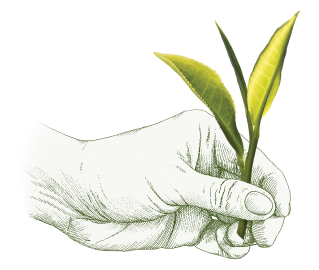
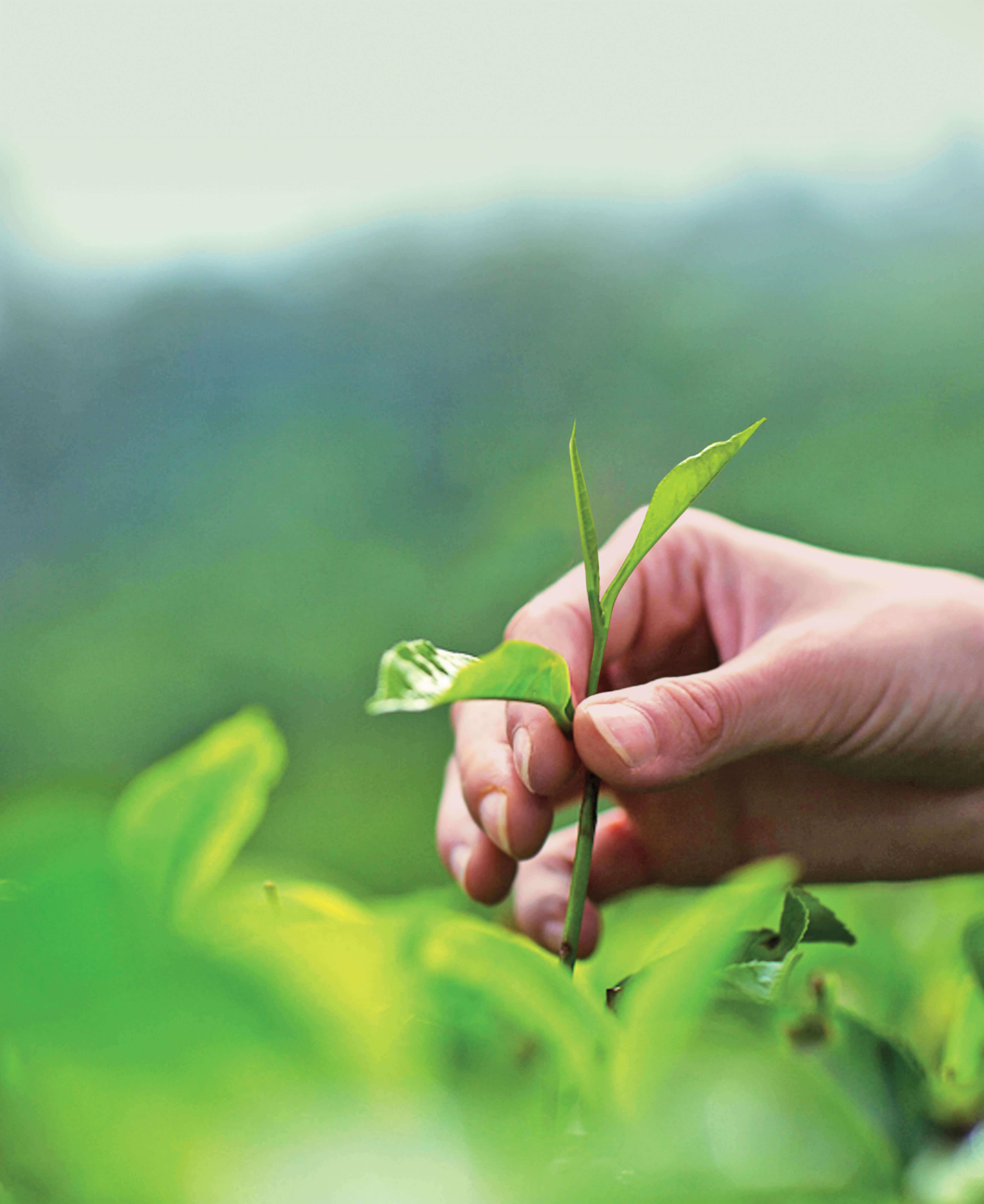
In the misty highlands of Sri Lanka, skilled hands select only the finest unopened bud and two tender leaves. This traditional Ceylon plucking standard ensures clarity, balance, and the unmistakable purity of origin.

Highland air at work
Natural withering
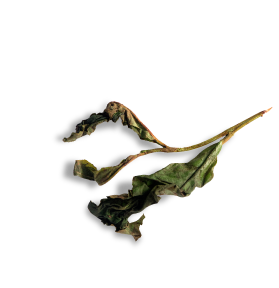
Fresh leaves are gently rested in the cool mountain air, allowing moisture to slowly escape. This natural withering enhances softness and prepares the leaves to reveal Ceylon tea’s distinctive brightness and aroma.
Crafted by tradition
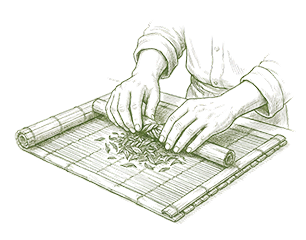
Hand rolling
Guided by generations of knowledge, the leaves are carefully hand-rolled to release essential oils and shape their form. This step defines the tea’s character while preserving the integrity of the leaf.

A moment of transformation
Ceylon oxidation
Depending on the style, the leaves are allowed to oxidise under close supervision. This controlled process develops the vibrant colour, layered flavours, and refined aroma that distinguish fine Ceylon teas.
Finished with care
Drying and refinement
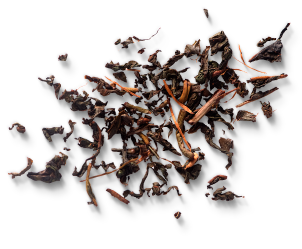
Gentle heat arrests oxidation and removes remaining moisture. The tea is then hand-sorted and refined, ensuring only the finest leaves are preserved—capturing the essence of Sri Lanka in every cup.
The Art of the Blend
Understanding Artisanal Tea Interpretations
Most master blenders and craft producers work within the traditional pillars of tea production, yet they treat each batch as a unique canvas.
Every artisanal journey typically begins with the core families of tea. While the processing methods differ, the dedication to quality remains the same across these primary categories:
What Makes Artisanal Tea Truly Unique
A blend of place, process, and identity.
One of the most fascinating aspects of the artisanal market is the lack of a rigid naming convention. Unlike industrial/standard tea, artisanal producers often eschew generic labels in favor of their own unique interpretations.
This variation exists because an artisanal name often reflects: